
Continuous Through-Air Drying on a Mesh Conveyor
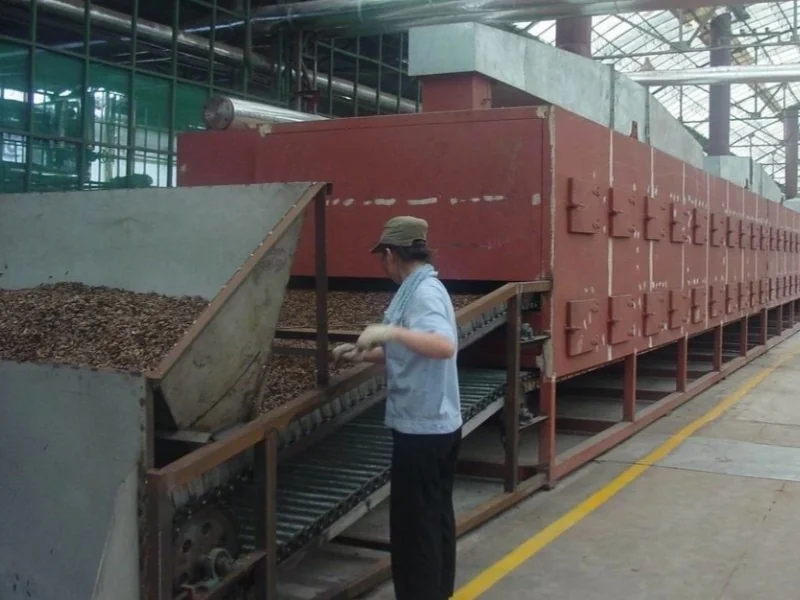
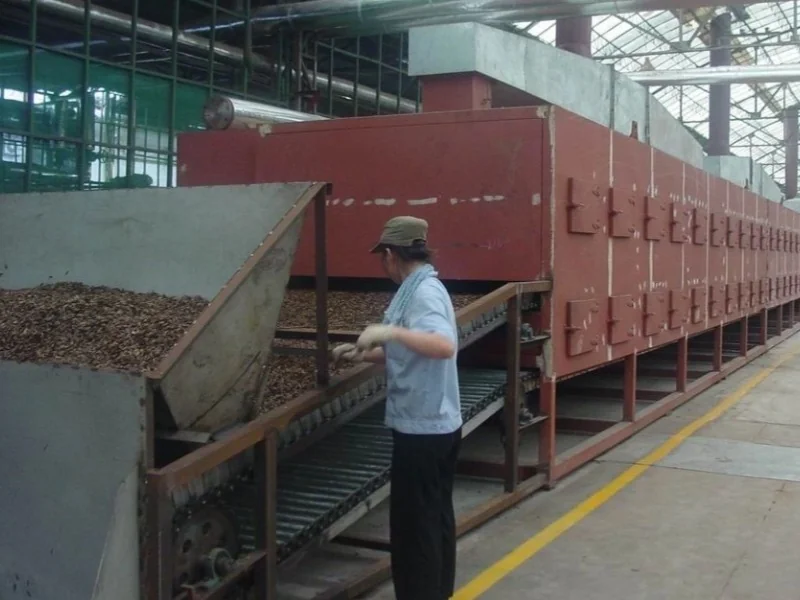
The Longxin DWD mesh belt dryer carries a uniformly distributed layer of material through controlled hot-air drying zones. It is designed for products that can form a permeable bed on a conveyor, including suitable food products, herbal slices, granules and preformed wet materials.
Developed from Longxin's DWT belt-dryer platform, the DWD arrangement separates the heat exchangers from the product chamber and gives each drying zone its own lateral air circulation loop. The belt, feed arrangement and process conditions are selected for the material.
How the DWD Belt Dryer Works
- Uniform feeding: a suitable feeder spreads the wet material evenly across the variable-speed conveyor.
- Through-air contact: heated air passes through the openings in the mesh and the spaces within the material bed. Upward or downward airflow is used according to the zone arrangement.
- Independent zone circulation: each unit recirculates air laterally, allowing temperature and airflow to be adjusted for the drying stage.
- Residence-time control: conveyor speed determines how long the material remains in the dryer. Feed rate, bed depth and airflow are coordinated with this setting.
- Product discharge: the dried material leaves the belt for collection or transfer to the next process stage.
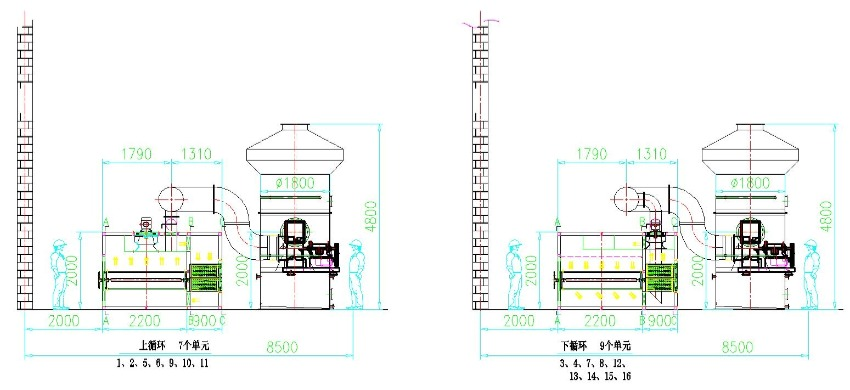
Design Features
- Separate heat-exchanger chambers: the heaters are located beside the drying chamber, reducing contact between falling particles and heating surfaces.
- Independent circulation zones: each zone has its own forced-air loop, supporting air penetration through the bed and flexible process control.
- Gentle conveyor transport: material travels with the belt without mechanical agitation within the drying bed, helping preserve its form.
- Adjustable operating conditions: drying temperature, airflow and conveyor speed can be matched to the product and drying stage.
- Moisture control: feed rate and residence time can be adjusted to work toward the target final moisture. Achievable results depend on the material and process conditions.
Conveyor and Process Configurations
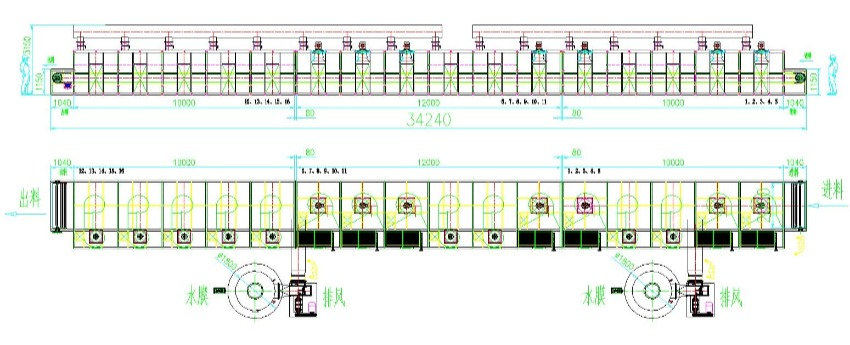
Single-Pass Drying
A single-pass arrangement carries the material through a sequence of drying zones. The layout below shows the conveyor path, circulation units and exhaust connections.
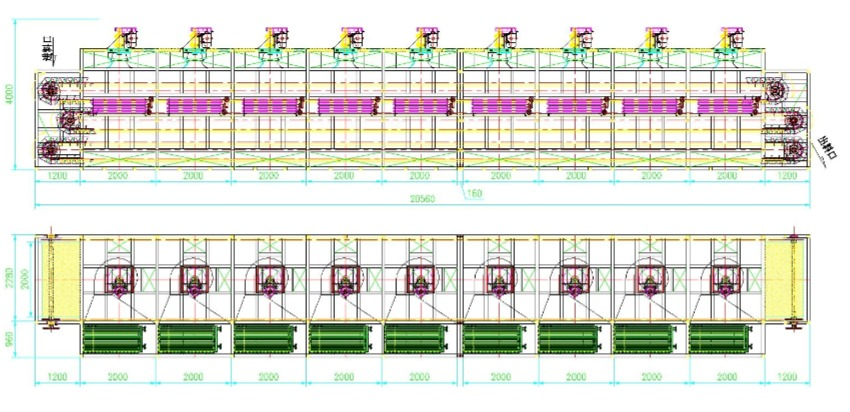
Multi-Pass Drying
A multi-pass arrangement transfers material between stacked conveyor levels. Belt layout, transfer points and air circulation are selected for the product's handling requirements and available space.
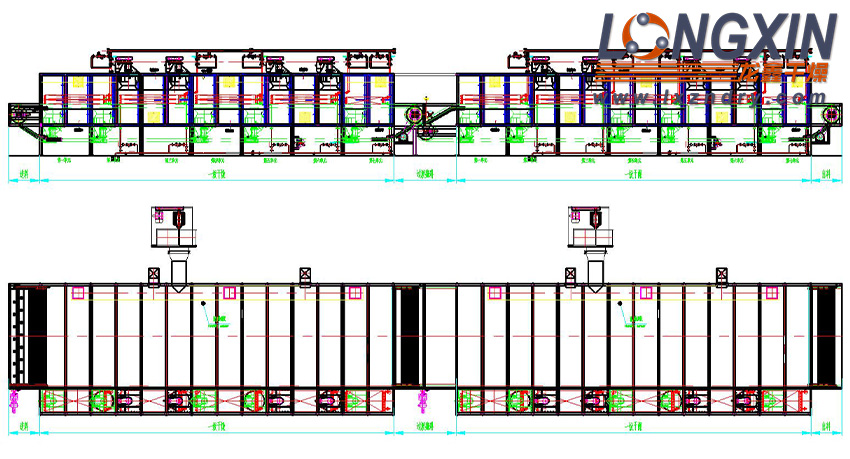
Multiple Dryers in Series
Two or more dryers can be connected in series to provide additional drying area or separate stages. The arrangement is selected from the required throughput, feed moisture and final product target.
Available Options
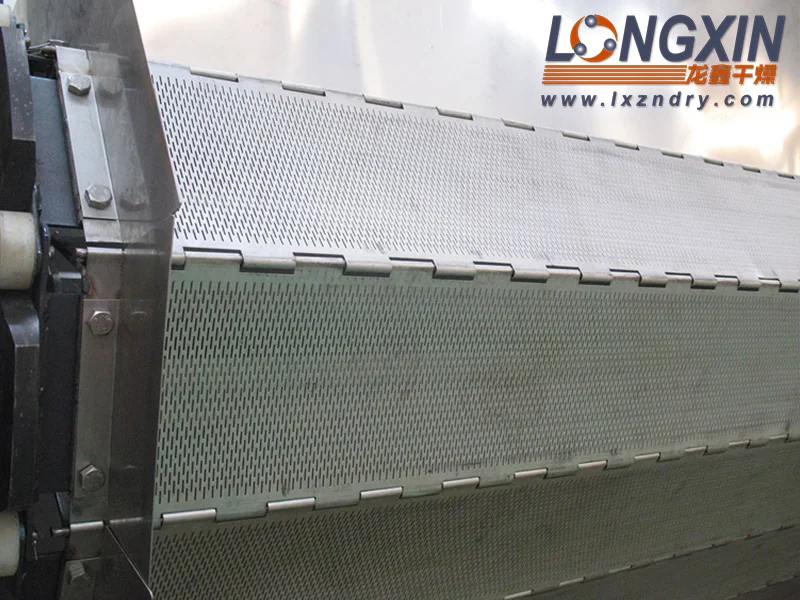
- Conveyor selection: stainless steel wire mesh is standard. Other mesh structures, perforated stainless steel plate belts, chain-plate belts and PTFE non-stick mesh can be considered for the material and operating temperature.
- Dust collection: cyclone, bag-filter or wet dust-collection equipment can be configured for feeds that release fine particles.
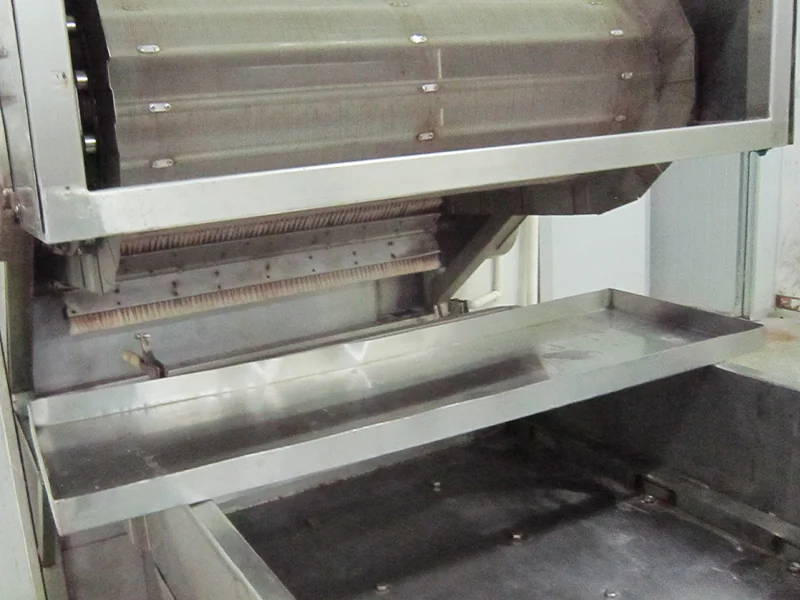
- Bottom cleanout: a scraper arrangement can move small amounts of fallen material toward the discharge end.
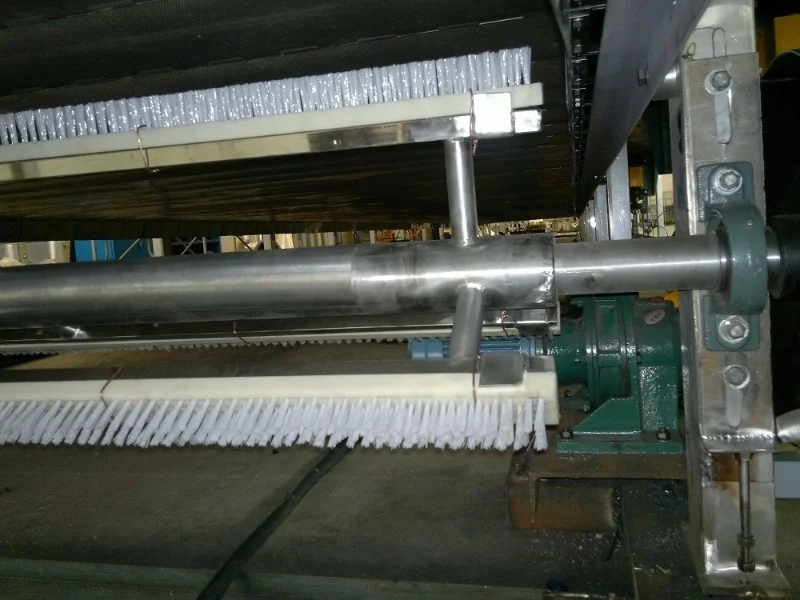
- Belt cleaning: cleaning brushes or other belt-cleaning mechanisms can remove adhering material.
- Belt washing: an optional arrangement places the return belt beneath and outside the heated chamber for spray cleaning.
- Feed preparation: extrusion or other forming equipment can prepare suitable fine powders, pastes and wet masses before belt drying.
Typical Applications
Longxin configures the dryer around the feed properties and product requirements. Applications described for the DWD series include:
- Dehydrated vegetables and sliced herbal materials.
- Food seasonings, nuts, seeds and related snack products.
- Pigments and dyes in suitable permeable or preformed feed forms.
- Plastic granules requiring drying or heat treatment.
- Other formed granules and wet materials that can be distributed as an air-permeable bed.
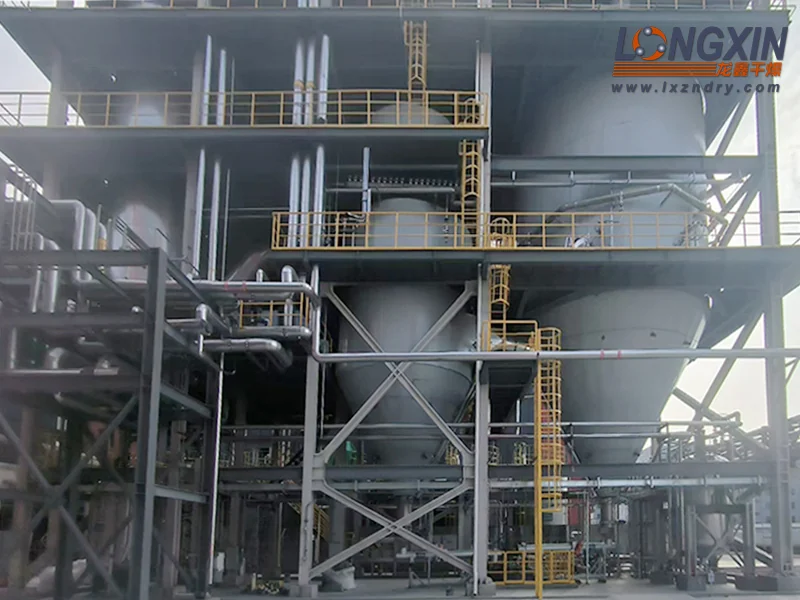
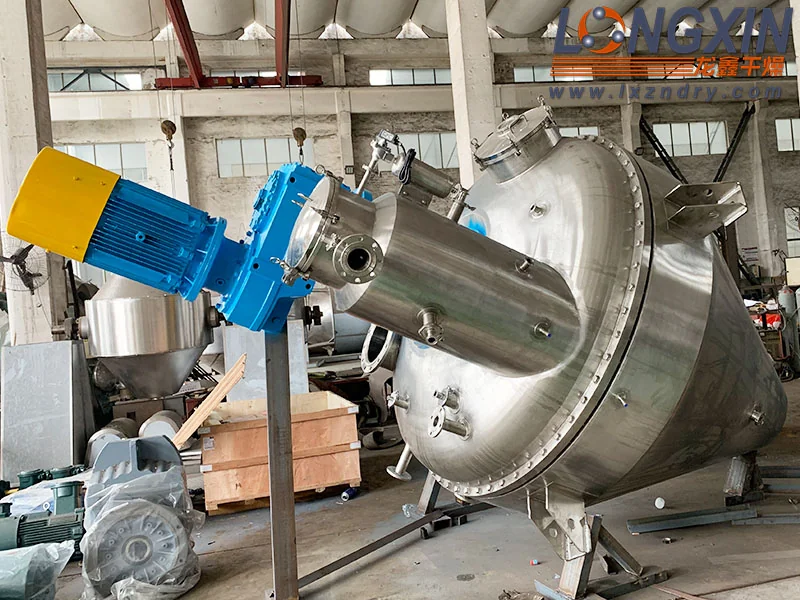
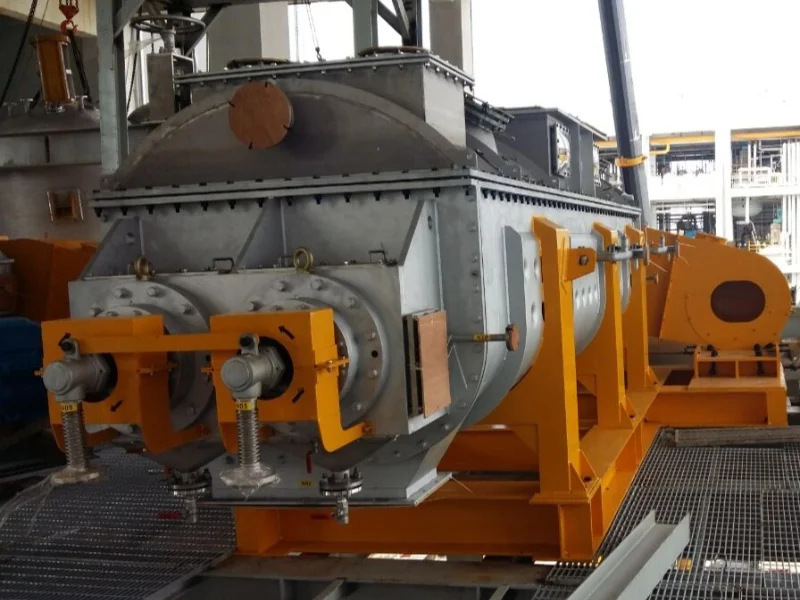
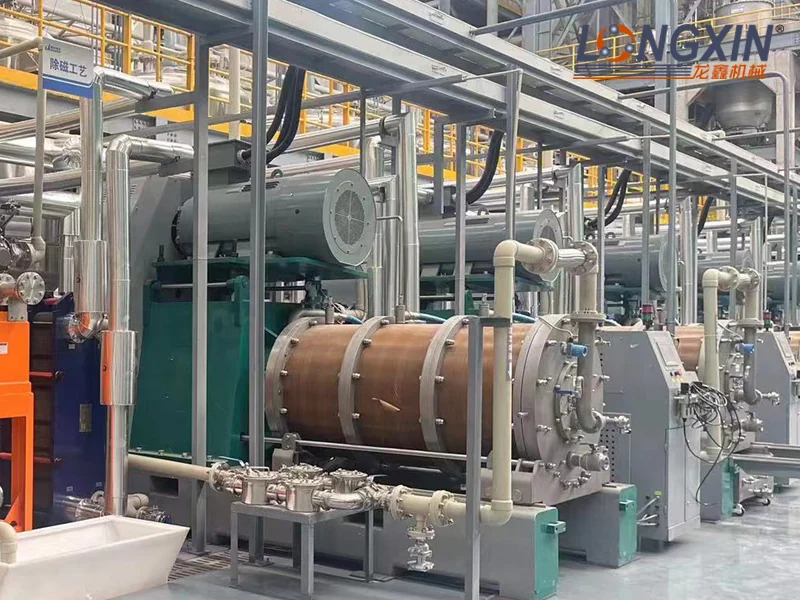
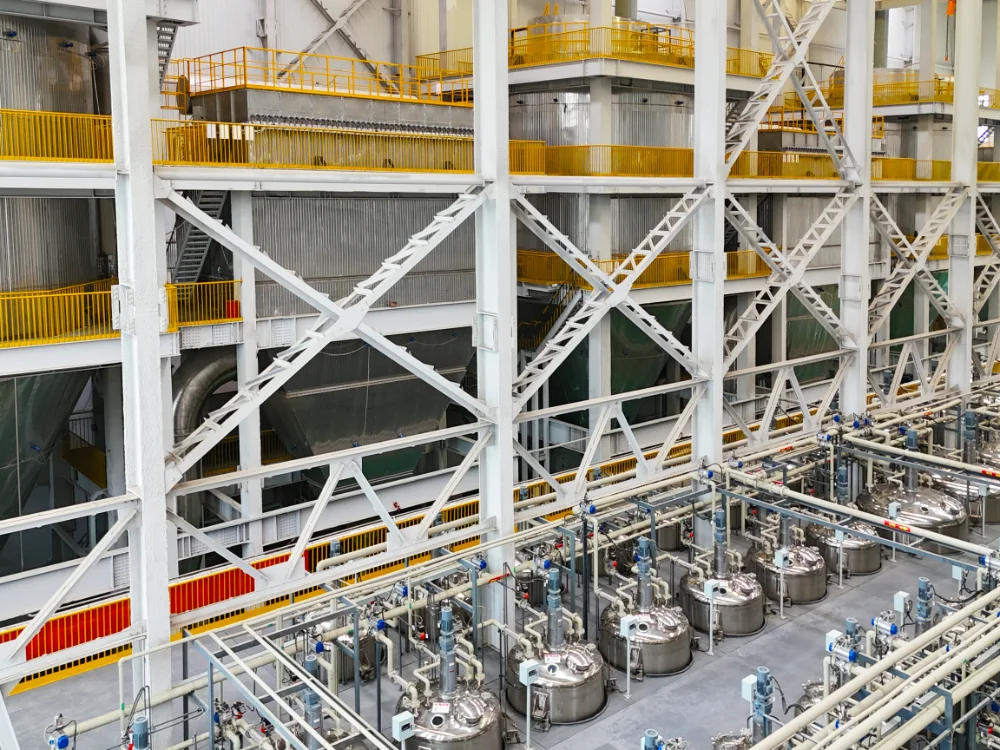
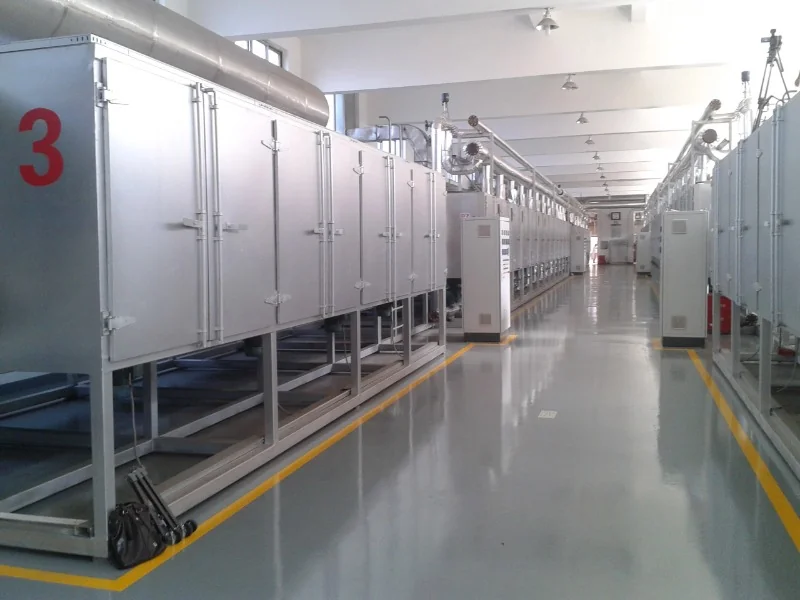
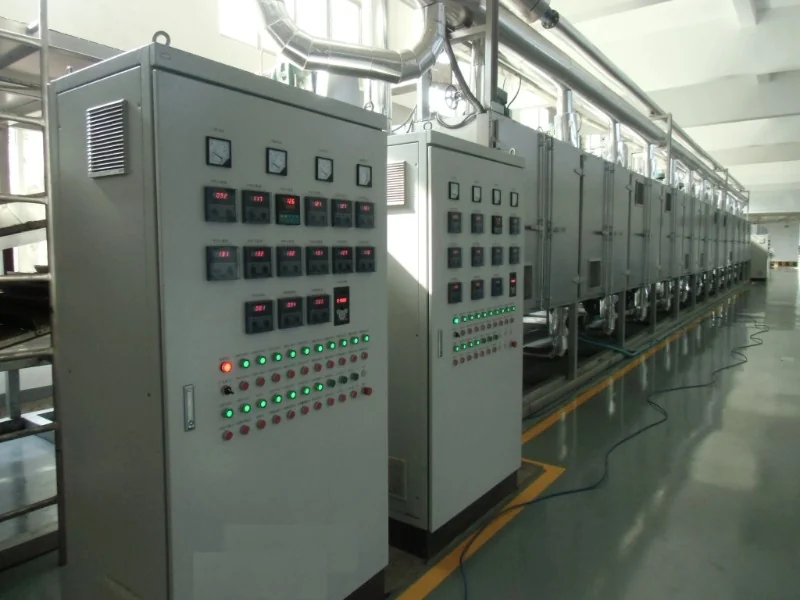
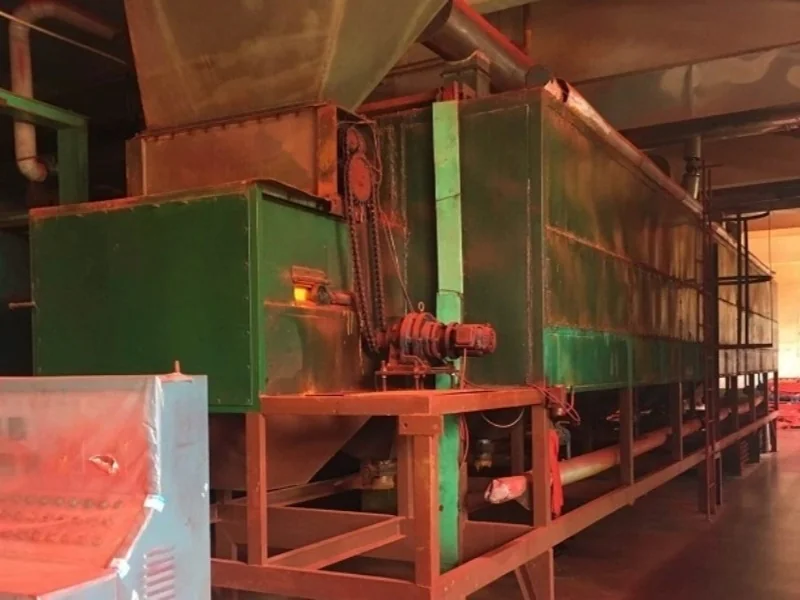
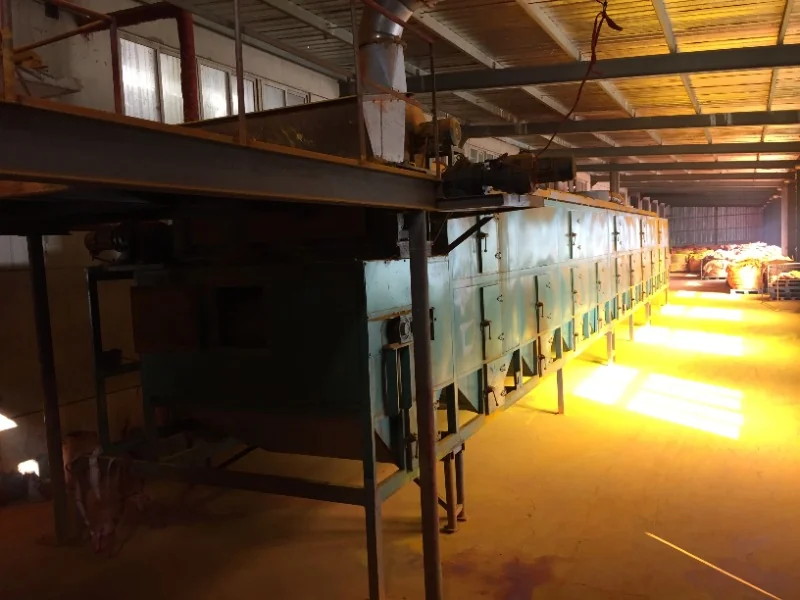
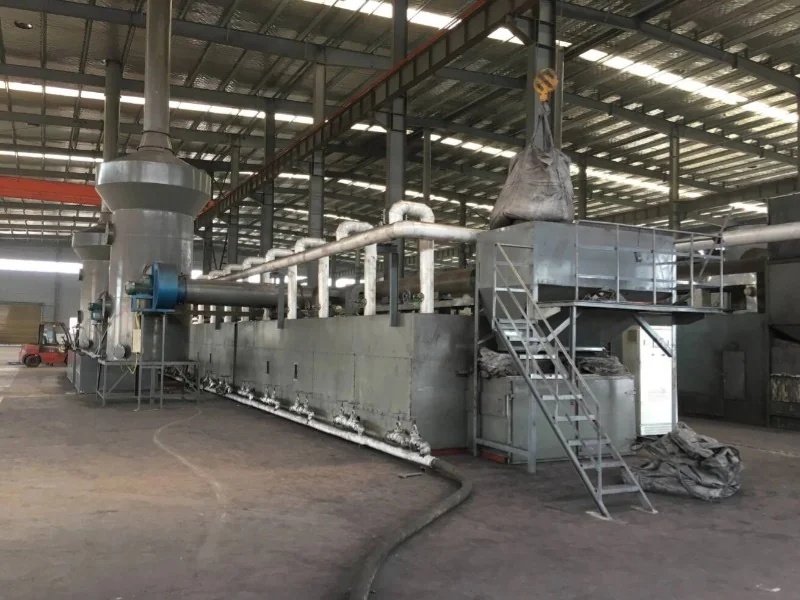
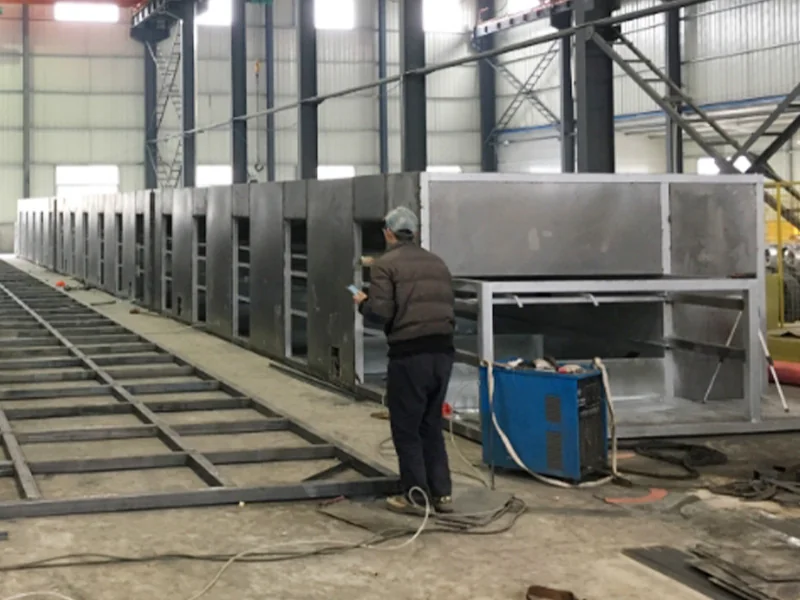
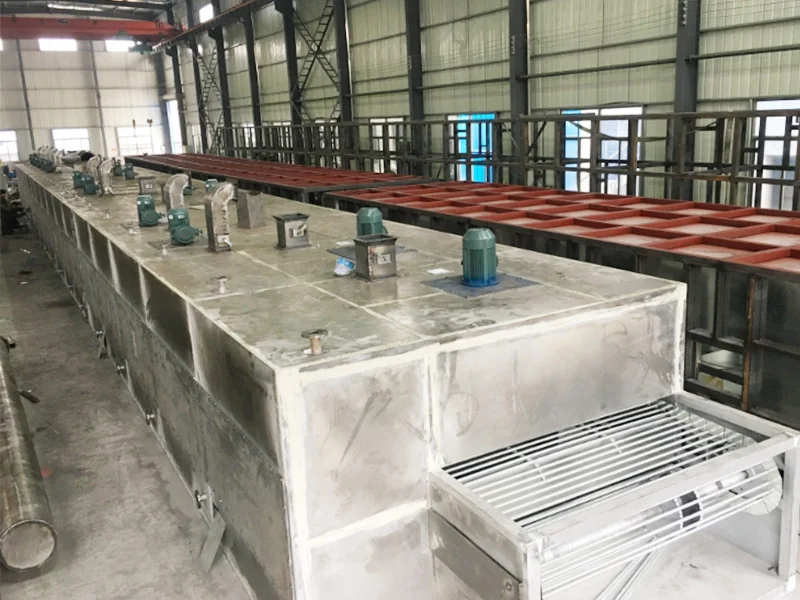
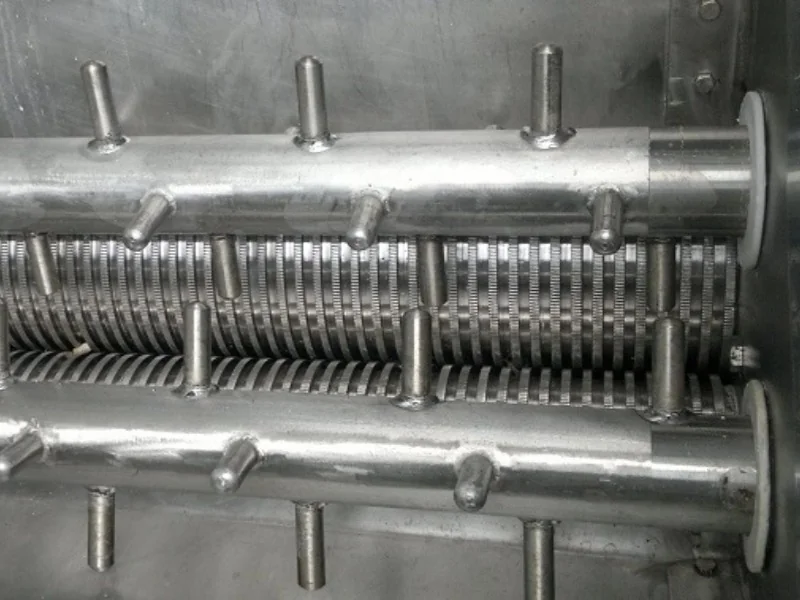
The gallery includes complete drying lines, feed extrusion equipment, belt drives, cleaning brushes, wire mesh and perforated plate conveyor options.
Specify Your Belt Drying Application
Provide the feed rate, initial and target moisture, material dimensions, bulk density, temperature limit and bed permeability. Include any forming or cleaning requirements, available steam and electrical utilities, and installation space. These inputs determine the belt type, drying area, airflow, zone temperatures and conveyor speed.